
Understanding Emergency Towing: Tips for Quickly and Safely Resuming Your Journeyf
Wichita, United States - November 11, 2025 / Ken's Auto Tow /
Emergency Towing Explained: How to Get Back on the Road Quickly and Safely
Car troubles never come at a good time, and waiting for help can feel endless. When your vehicle breaks down or gets stuck, finding reliable towing services quickly becomes your top priority. This guide will help you understand what to look for in emergency towing and how to choose local towing services that get you back on the road safely and fast.
Understanding Emergency Towing Services
When You Need Emergency Towing
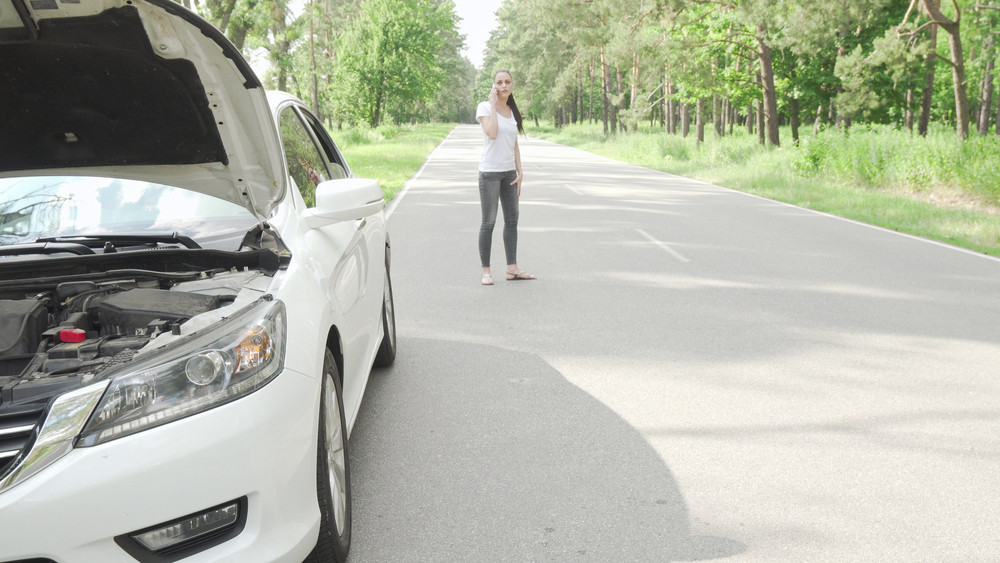
Vehicle breakdowns can happen anywhere and anytime. You might find yourself stranded on a busy highway during rush hour, stuck in mud after venturing off-road, or dealing with a car that simply won't start in a shopping center parking lot. Emergency towing becomes necessary when your vehicle cannot be driven safely due to mechanical failure, accident damage, or environmental conditions. Knowing when to call for professional help rather than attempting to fix the problem yourself can save time, prevent further damage to your vehicle, and keep you safe from traffic hazards or extreme weather conditions.
Types of Towing Services Available
Different situations require different types of towing methods. Flatbed towing, where your entire vehicle is loaded onto the back of a truck, is often the safest option as it prevents wear on your vehicle's tires and transmission. Wheel-lift towing uses a metal yoke that hooks under the front or rear wheels to lift part of the vehicle off the ground. For all-wheel or four-wheel drive vehicles, dollies might be used to prevent transmission damage. Many towing companies also offer specialized services for motorcycles, large trucks, or exotic cars that require extra care during transport.
Choosing the Right Towing Company
Essential Qualities to Look For
When selecting a towing company, several factors should influence your decision. First, look for 24/7 towing availability since breakdowns don't follow business hours. Response time is crucial, especially if you're in an unsafe location. Ask about the company's average arrival time and service area. Professional towing operators should be licensed, insured, and equipped with modern, well-maintained tow trucks. The company should offer transparent pricing with no hidden fees. Some towing services provide extra benefits like secure storage facilities if your vehicle needs to be held overnight or if repair shops are closed when your car is towed.
Questions to Ask Before Hiring
Before committing to a towing company, ask specific questions to ensure you're getting reliable service. Inquire about their pricing structure, including base rates, mileage charges, after-hours fees, and any potential extra costs. Confirm what payment methods they accept, as some smaller companies might be cash-only. Ask about their towing equipment to make sure they have the right tools for your specific vehicle type. If you need your car taken to a specific location, check if they can accommodate that request and what the total cost will be. Getting these details upfront helps avoid surprises when the bill comes.
Preparing for Roadside Emergencies
Essential Items to Keep in Your Vehicle
Being prepared for potential breakdowns can make the experience less stressful. Create an emergency kit that includes reflective triangles or flares to make your vehicle visible to other drivers and towing operators. Keep a flashlight with extra batteries, basic tools like jumper cables and a tire pressure gauge, and a first-aid kit. Store blankets, non-perishable snacks, and water for comfort during extended waits. Having a portable phone charger ensures you can call for roadside assistance even with a low battery. A small notebook and pen can be useful for recording accident details or the information provided by the towing company.
What to Do While Waiting for Help
After calling for emergency towing, your priority should be safety. If possible, move your vehicle completely off the road. Turn on hazard lights and set up reflective triangles or flares about 50 feet behind your car. Stay inside your vehicle with doors locked if you're in an unfamiliar or potentially dangerous area. If you must exit your vehicle, do so from the passenger side to avoid traffic. Keep important documents handy, including your driver's license, vehicle registration, insurance information, and roadside assistance membership details if applicable. Being organized will speed up the process once help arrives.
Understanding Towing Costs and Coverage
Typical Pricing Structures
Towing service costs vary based on several factors. Most companies charge a base hook-up fee plus a per-mile rate. The type of vehicle being towed affects pricing, with larger or heavier vehicles costing more. Time of day can impact rates, with night, weekend, and holiday services often carrying premium charges. Geographic location also plays a role, with urban areas sometimes having more competitive pricing due to greater competition. Some situations require specialized equipment or techniques that may result in additional fees. Getting a clear estimate before service begins helps avoid billing surprises.
Insurance and Roadside Assistance Plans
Many auto insurance policies include some form of towing coverage, but limits and terms vary widely. Check your policy to understand what's covered, including maximum towing distance or reimbursement amounts. Standalone roadside assistance plans from companies like AAA or those offered by auto manufacturers can provide more comprehensive coverage, often with higher service limits. Some credit card companies and cell phone providers also offer roadside assistance benefits to their customers. Knowing your coverage options before an emergency occurs can save money and reduce stress during an already difficult situation.
Tips for Staying Safe During Emergency Towing
Even after calling a towing service, your safety remains a top priority. The moments while waiting for help can be risky, especially if your vehicle is stranded on a busy road or poorly lit area. Start by positioning your car as far off the road as possible. If you cannot fully clear the roadway, exit the vehicle carefully from the side away from traffic. Keep hazard lights on, and use reflective triangles or flares to alert approaching drivers to your presence.
Remain inside your vehicle if the surrounding area feels unsafe. Lock the doors and keep windows partially open to communicate with responders if needed. Avoid engaging with strangers who may approach offering help; always wait for the professional towing team you contacted. Children and pets should stay inside the vehicle or in a secure location until assistance arrives.
While waiting, avoid unnecessary distractions. Keep your phone charged and within reach to maintain communication with the towing company, and make sure you have your location details handy. If you’re in a remote area, share your location with a trusted friend or family member. Stay calm and resist the urge to try moving the vehicle yourself, as this can lead to injury or further damage to your car.
Conclusion
Finding yourself in need of emergency towing is never pleasant, but knowing how to select quality towing services can make a stressful situation more manageable. By understanding the types of services available, asking the right questions, and preparing ahead for potential breakdowns, you can ensure faster help when you need it most. Local towing services that offer 24/7 availability, transparent pricing, and professional equipment provide the best support during vehicle emergencies. Remember that the cheapest option isn't always the best choice when it comes to protecting your valuable vehicle. With proper planning and the right towing company on speed dial, you can face vehicle breakdowns with confidence knowing help is just a phone call away.

Contact Information:
Ken's Auto Tow
3760 S. Broadway Street
Wichita, KS 67216
United States
Ken's Auto Towing
https://www.kensautotow.com/

