
Professional Insights on Frequently Asked Questions About Asphalt Installation and Paving
Columbia, United States - November 11, 2025 / Advance Paving Co. INC /
Expert Answers to Common Asphalt Installation and Paving FAQs
Most driveway paving projects don't go as planned, leaving you frustrated and out of pocket. Choosing the right asphalt paving company can save you time, money, and headaches. In this guide, you'll find clear answers to common paving FAQ, practical asphalt installation tips, and advice on spotting quality asphalt services for both residential and commercial needs. Keep reading to make smart decisions for your property's paving. For more detailed information, visit this comprehensive asphalt paving guide.
Key Asphalt Paving Questions
Making smart paving choices starts with understanding the basics. Let's tackle the most common questions property owners ask when planning an asphalt project.
What Is Asphalt Paving?
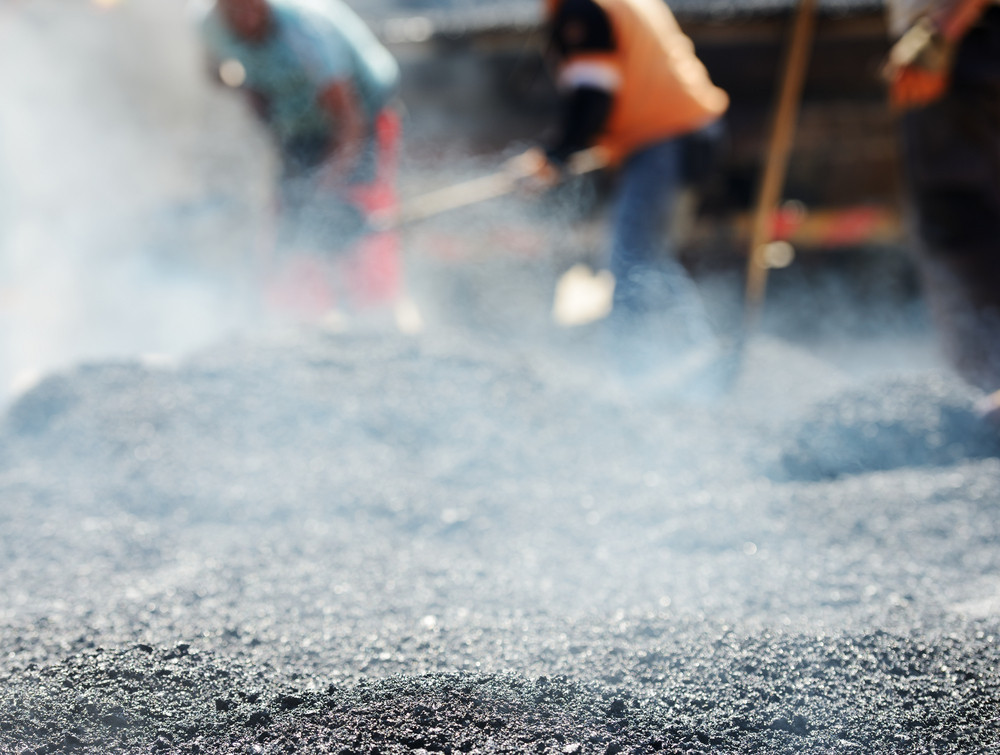
Asphalt paving creates durable surfaces using a mixture of stone, sand, and liquid asphalt cement. This mixture gets heated to high temperatures, spread across a prepared base, and then compacted to form a smooth, solid surface.
The process begins with site preparation, where the area gets cleared and graded. Next comes the base layer—crushed stone or gravel that provides drainage and support. The asphalt mixture is then applied while hot, allowing it to flow and create a seamless surface.
What makes asphalt popular? It dries quickly, often ready for use within 24-48 hours. It's also less expensive than concrete while lasting 15-30 years with proper care. The dark color absorbs heat, making it great for snow-prone areas as it melts ice faster than other surfaces.
Did you know asphalt is America's most recycled material? Over 80 million tons get reused yearly, making it an earth-friendly choice for your property.
How to Choose a Paving Company?
Finding the right paving contractor makes all the difference between a driveway that lasts decades and one that cracks within months. Start by checking basic credentials: proper licensing, insurance coverage, and at least 5 years of experience in your specific type of project.
Ask for addresses of completed projects from 3-5 years ago. This reveals how their work holds up over time—not just how it looks when fresh. Drive by these locations to check for cracking, sinking, or drainage issues.
Get detailed written estimates that specify asphalt thickness (2-3 inches for driveways, 4+ inches for commercial), base preparation methods, and drainage solutions. Beware of quotes significantly lower than others, as corners may be cut on material quality or thickness.
Request a written warranty that covers at least 2 years for residential work and 5 years for commercial projects. The best companies stand behind their work with clear terms. For more guidance on selecting the right company, check out these important questions to ask your asphalt paving company.
What Are Quality Asphalt Services?
Quality asphalt services go beyond simply laying black pavement. They include thorough site assessment, proper drainage planning, and custom solutions for your specific property needs.
First-rate companies start with soil testing to determine what base preparation your land requires. Clay soils need different treatment than sandy ones, and skipping this step leads to premature failure. They'll also evaluate water flow patterns across your property to prevent future pooling or erosion.
Premium services include proper edge work—creating tapered edges or installing concrete curbing to prevent crumbling. They'll also apply seal coating 6-12 months after installation and recommend a maintenance schedule tailored to your climate and usage patterns.
The best asphalt companies offer various mix options based on your needs. For example, porous asphalt allows water to drain through rather than run off, making it perfect for areas with strict environmental regulations. Standard mixes work well for most applications, while high-performance mixes containing polymers provide extra durability for high-traffic areas.
Asphalt Installation Tips
Proper installation makes the difference between pavement that lasts decades and surfaces that fail prematurely. These practical tips will help ensure your project succeeds.
Preparing for Installation
Proper preparation forms the foundation for successful asphalt paving. Clear the installation area of all vegetation, debris, and old pavement at least a week before your scheduled date.
Mark underground utilities, irrigation systems, and other buried features to prevent costly damages during excavation. If you have sprinkler systems, cap them off or clearly mark their locations. This simple step saves thousands in potential repair costs.
Plan for drainage from the start. The surface should slope away from buildings at a minimum grade of 2%. For every 4 feet of pavement, the height should drop by 1 inch. Poor drainage causes water to pool, which weakens asphalt and leads to cracks and potholes.
Consider the season for your project. The ideal temperature range for asphalt installation is 50-90°F. Extremely hot or cold weather affects how the material cures. Most professionals recommend spring or fall for the best results, avoiding the extremes of summer heat and winter cold.
Common Installation Mistakes
Many paving failures trace back to a few critical mistakes made during installation. The most frequent error is inadequate base preparation—rushing through or skimping on this step guarantees problems later.
A proper base needs 6-8 inches of compacted gravel for residential drives and 8-12 inches for commercial applications. The base must be uniformly compacted to 95% density. Soft spots will lead to sinking and cracking later. Testing shows that each 1% decrease in compaction reduces pavement life by 10%.
Another major mistake is improper asphalt thickness. Residential driveways need at least 2 inches of compacted asphalt, while commercial areas require 3-4 inches minimum. Some companies cut costs by applying thinner layers that fail prematurely.
Weather-related mistakes also cause problems. Laying asphalt in rain or on wet surfaces traps moisture underneath, while paving in temperatures below 50°F prevents proper compaction. The material cools too quickly, becoming stiff before it can be properly worked.
Maintaining Your Asphalt Surface
Regular maintenance extends your asphalt's life by 5-10 years and saves thousands in replacement costs. Start with cleaning—remove oil spots promptly using cat litter to absorb fresh spills, then scrub with dish soap.
Apply sealcoating 6-12 months after installation, then every 2-3 years afterward. This protective layer shields against UV rays, water penetration, and chemical damage. The cost of sealcoating is just 10-15% of full replacement costs.
Fill cracks as soon as they appear. Even hairline cracks allow water to penetrate and undermine your pavement's base. Use professional-grade crack filler for cracks under ¼ inch wide and cold-patch asphalt for larger ones.
Protect the edges of your pavement, which are most vulnerable to crumbling. Avoid driving on the edges, and consider installing concrete curbing or metal edging for extra protection. For detailed maintenance guidance, visit Advanced Paving's maintenance page.
Future-Proofing Your Investment
Smart planning today protects your asphalt investment for decades. Climate change brings more extreme weather events, making resilient paving more important than ever.
Consider installing permeable asphalt that allows water to drain through rather than run off. This reduces flooding risks during heavy rains and helps replenish groundwater. The initial cost runs 20-25% higher than standard asphalt, but many areas offer tax incentives that offset this premium.
Plan for expansion. If you might add onto your home or business later, discuss this with your paving contractor. They can create properly compacted areas adjacent to the current project, making future expansion seamless without disturbing your existing pavement.
Think about edge protection from the start. Installing concrete curbing or Belgian blocks along asphalt edges prevents the most common type of damage—edge crumbling. This protection costs extra initially but eliminates expensive repairs later.
Choose a paving company that offers ongoing maintenance programs. The best contractors provide scheduled inspections, cleaning, and preventive treatments that catch small issues before they become major problems. This relationship approach to paving services ensures your surface remains functional and attractive for its full potential lifespan.

Contact Information:
Advance Paving Co. INC
2349 Park Plus Dr
Columbia, TN 38401
United States
Advance Paving
https://advpaving.com/

